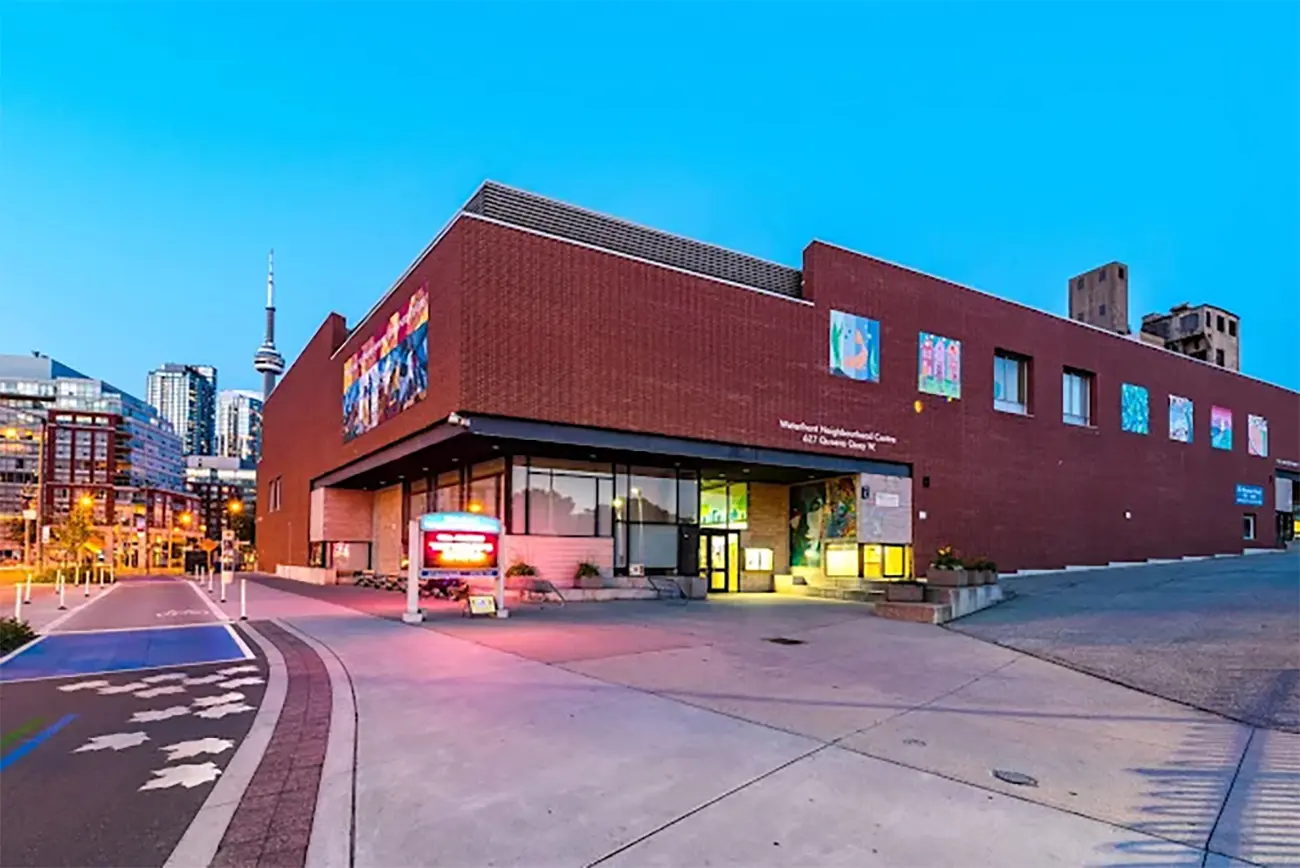
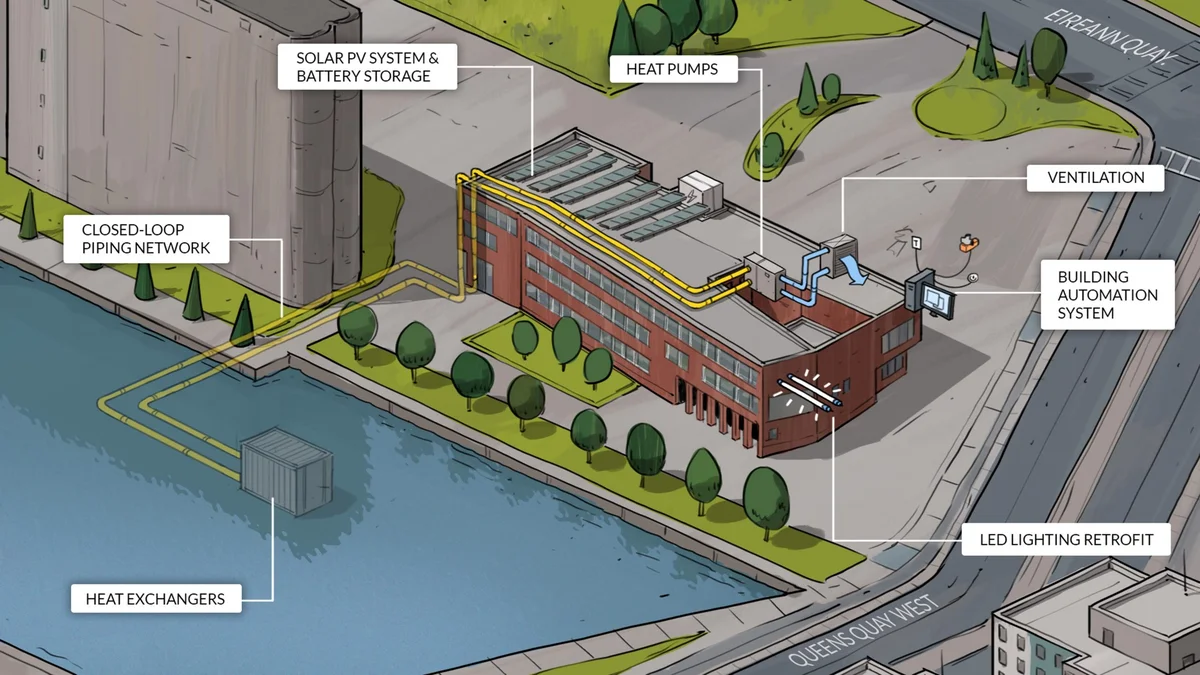
GEOptimize Inc, in partnership with Demand Side Energy Consultants, completed an ASHRAE Level II energy audit and geothermal feasibility study for the 107,000 ft² Waterfront Neighbourhood Centre, a multi-tenant community, recreation, and school facility. A calibrated whole-building energy model was developed from utility data, detailed system inventories, and operating schedules to identify operational and capital retrofit opportunities and to establish the technical and economic pathway to deep carbon reduction. Low-cost operational measures—including revised air-handling schedules, demand-controlled ventilation, recommissioning of building controls, and variable-speed pumping and fan systems—were evaluated alongside a full LED lighting retrofit. These measures alone reduced electricity use by approximately 42%, natural gas consumption by 28%, and annual energy costs by about 31%, while significantly lowering peak heating and cooling loads and improving the business case for plant replacement.
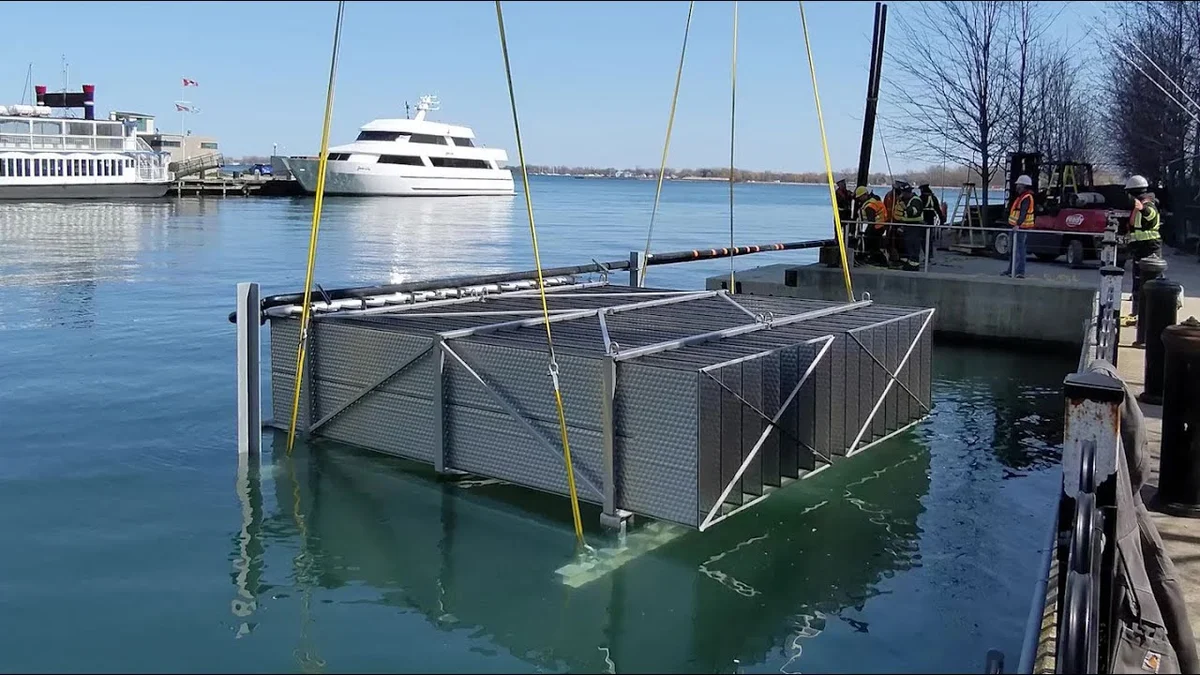
The optimized energy model was then used to compare conventional boiler and chiller replacement with multiple ground-source heat pump (GSHP) retrofit strategies. Vertical borefield and lake-based heat exchanger options were assessed within the site’s land and geological constraints, including hybrid configurations with auxiliary heating and cooling to reduce ground heat exchanger size and capital cost. The geothermal retrofit scenario nearly eliminated fossil-fuel use, reduced facility carbon emissions by approximately 74%, and lowered total energy consumption by more than 50% compared to the existing system, while delivering a strong lifecycle return on investment and significant net present value. The study provided the City of Toronto with a coordinated implementation roadmap that aligns near-term conservation measures with long-term mechanical plant replacement to achieve deep decarbonization with optimal capital planning.